Visiting timetableClosed
|Saturday, October 24, 2026Alhambra y Generalife, Calle Real de la Alhambra, 18009 Granada, Spain
Back to history
origins
Alhambra History and Architecture: Complete Guide
Explore the Alhambra’s full history—from fortress to Nasrid palaces to UNESCO site—and learn how to visit thoughtfully.
12/5/2025
20 min read
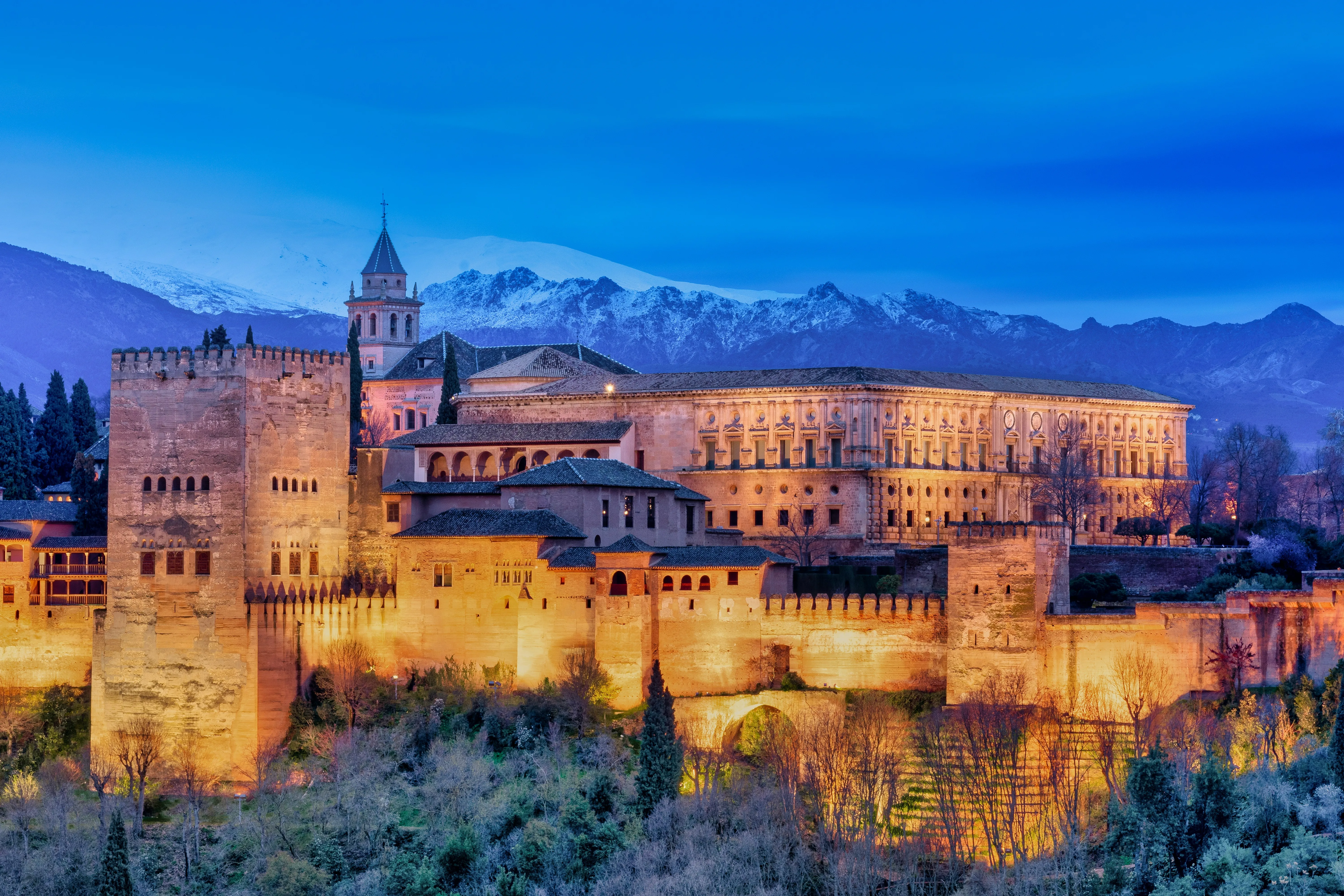
A city on a red hill—stone, water, and poetry in conversation.
Executive Summary
- Fortress to palatine city: from early outpost to Nasrid court (13th–15th c.).
- After 1492: Christian interventions, neglect, Romantic rediscovery, modern conservation.
- Read the Alhambra as choreography—thresholds, light, water, and pattern.
Timeline at a Glance
| Date | Milestone |
|---|---|
| 9th c. | First fortifications on the Sabika hill |
| 1238–1273 | Muhammad I–II establish Nasrid Granada; Alcazaba reinforced |
| 14th c. | Comares Palace and Court of the Lions completed |
| 1492 | Capitulation of Granada; Catholic Monarchs enter the Alhambra |
| 1812 | Napoleonic occupation and damage; Romantic interest rises |
| 20th c. | Scientific conservation and management frameworks |
| 1984 | UNESCO inscription (with the Generalife) |
Architecture as Message
- Geometry clarifies hierarchy; inscriptions knit space to legitimacy and praise.
- Water cools, cleans, and composes; reflections amplify authority and calm.
- Materials—stucco, wood, tile—create lightness and acoustic hush.
Key Spaces (First‑Time Priorities)
- Alcazaba: towers, ramparts, and the city panorama—origins in defense.
- Comares: the Ambassadors’ Hall and the reflecting pool—staged power.
- Court of the Lions: four rills, pavilions, and starry muqarnas—living geometry.
- Generalife: summer retreat—water stair, hedges, and paced shade.
How to Visit Well
- Book the Nasrid Palace slot first; be near the entry 45–60 minutes early.
- Move slowly; let thresholds reset your eyes before the next space.
- No touching stucco/wood; photography without flash; tripods rarely allowed.
Suggested Reading Order On‑Site
- Outside the walls: read the hill, water channels, and the approach.
- Alcazaba → Comares → Lions → Generalife for a rising arc of delicacy.
- Finish with a viewpoint in the Albaicín for the macro picture.
Bottom Line
The Alhambra is a palimpsest performed in light and water—walk it like a poem.
About the Author

Granada Heritage Editor
I built this to help you enjoy the Alhambra calmly—smarter timing, kinder routes, and context that makes palaces and gardens sing.
Tags
Alhambra
Granada
Nasrid
Andalusia
UNESCO
Comments (0)
Leave a Comment
Loading comments...